IP Address Location
𝐄𝐱𝐩𝐥𝐨𝐫𝐞 𝐭𝐡𝐞 𝐆𝐞𝐨𝐠𝐫𝐚𝐩𝐡𝐢𝐜 𝐋𝐨𝐜𝐚𝐭𝐢𝐨𝐧 𝐨𝐟 𝐀𝐧𝐲 𝐈𝐏 𝐀𝐝𝐝𝐫𝐞𝐬𝐬. 𝐄𝐚𝐬𝐢𝐥𝐲 𝐥𝐨𝐜𝐚𝐭𝐞 𝐈𝐏 𝐚𝐝𝐝𝐫𝐞𝐬𝐬𝐞𝐬 𝐭𝐨 𝐠𝐚𝐢𝐧 𝐢𝐧𝐬𝐢𝐠𝐡𝐭𝐬 𝐢𝐧𝐭𝐨 𝐲𝐨𝐮𝐫 𝐚𝐮𝐝𝐢𝐞𝐧𝐜𝐞, 𝐭𝐫𝐨𝐮𝐛𝐥𝐞𝐬𝐡𝐨𝐨𝐭 𝐧𝐞𝐭𝐰𝐨𝐫𝐤 𝐢𝐬𝐬𝐮𝐞𝐬, 𝐨𝐫 𝐯𝐞𝐫𝐢𝐟𝐲 𝐬𝐞𝐫𝐯𝐞𝐫 𝐥𝐨𝐜𝐚𝐭𝐢𝐨𝐧𝐬
Share on Social Media:
The Ultimate Guide to IP Address Location: What It Is and Why It Matters
In today's highly connected digital landscape, every device connected to the internet leaves a digital footprint. At the core of this footprint is your IP address location. Whether you are a digital marketer, a cybersecurity enthusiast, or just a regular internet user, understanding how IP geolocation works is crucial for safeguarding your privacy and optimizing your online experience.
In this comprehensive guide, we will dive deep into what an IP address location entails, how it works, and why it is so important in the modern digital world.
What is an IP Address?
Before we talk about location, let's understand the basics. "IP" stands for Internet Protocol. An IP address is a unique string of numbers (and sometimes letters, as seen in IPv6) assigned to every device connected to a computer network. Think of it as your device's digital mailing address. Without it, computers, servers, and websites wouldn't know how to send information back and forth to you.
How Does IP Address Location Work?
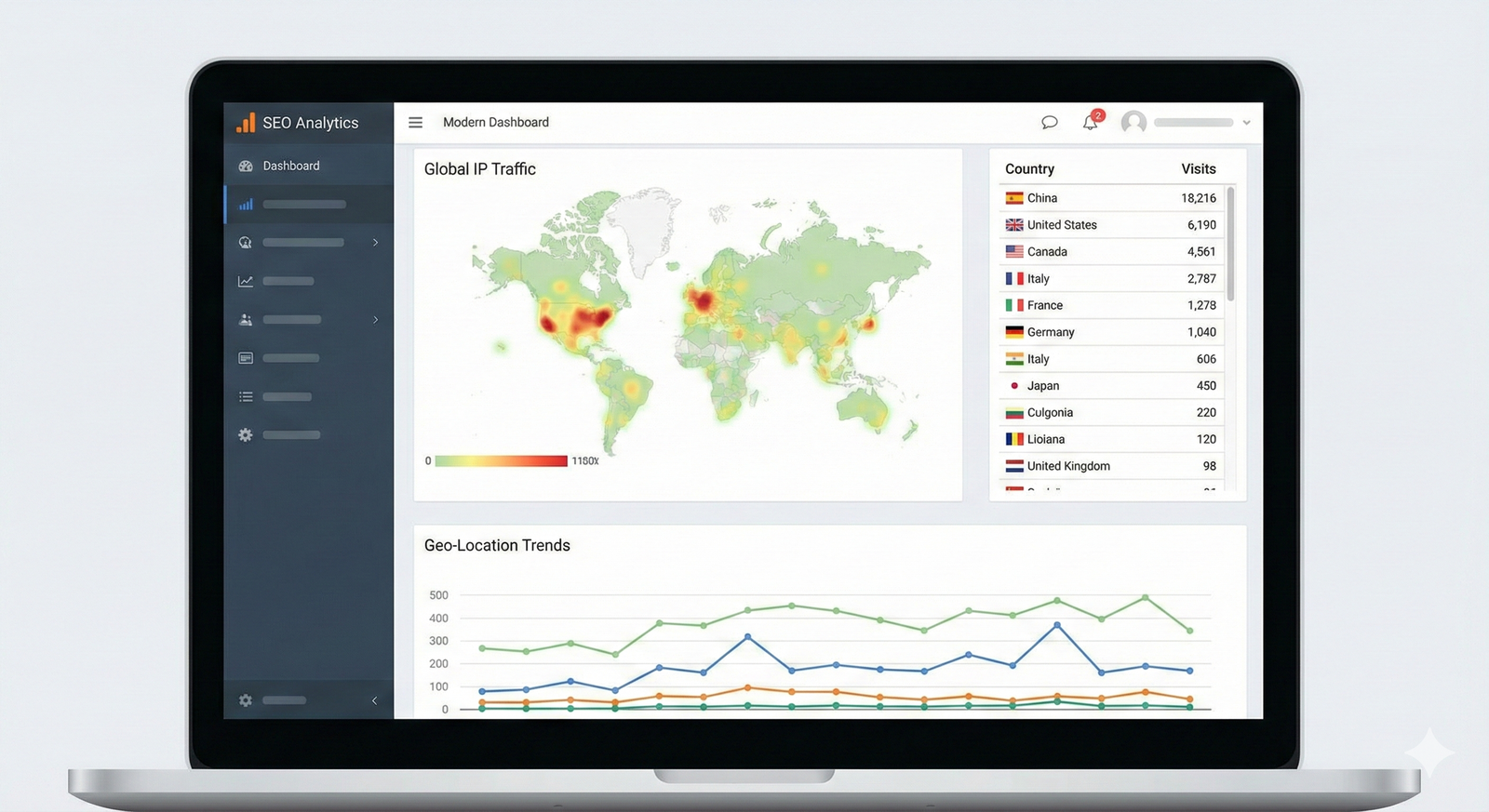
IP address location (or IP geolocation) is the process of mapping an IP address to the real-world geographic location of an internet-connected computing or mobile device.
When you connect to the internet, your Internet Service Provider (ISP) assigns you an IP address. Since ISPs purchase IP addresses in large, regional blocks, these addresses are inherently tied to specific geographical areas. Databases around the world constantly collect and update the mapping of these IP addresses to their corresponding locations.
When a website or an application checks your IP, it cross-references these global databases to determine your:
Country
Region or State
City
ZIP or Postal Code
Latitude and Longitude
Internet Service Provider (ISP)
Why is IP Location Important?
You might wonder why companies, websites, and individuals care about where an IP address is located. The truth is, IP geolocation powers a massive part of our daily internet experience. Here are the primary reasons why it matters:
1. Personalized and Localized Content
Have you ever noticed that when you visit a global news site, you automatically see news relevant to your country? Or when you open a weather app, it instantly knows your city? Websites use your IP location to serve localized content, correct currencies, and relevant language settings, providing a seamless user experience.
2. Enhanced Cybersecurity and Fraud Prevention
Financial institutions and e-commerce platforms heavily rely on IP geolocation. If you usually log into your bank from New York, but suddenly there is a login attempt using an IP address located in Eastern Europe, the system will flag this as suspicious behavior and block access to prevent fraud.
3. Digital Marketing and SEO Analysis
For marketers, knowing where website visitors are coming from is gold. It helps in tailoring ad campaigns, understanding regional market penetration, and analyzing audience demographics. Whether you are conducting competitor research or auditing your site's global reach, using a reliable SEO tools website makes it incredibly easy to track, verify, and analyze IP locations efficiently.
4. Enforcing Geo-Restrictions
Streaming services (like Netflix, Hulu, or BBC iPlayer) use IP address locations to enforce digital copyright agreements. If a movie is only licensed to be shown in the United States, the platform will check your IP location and block access if you are connecting from outside the country.
Can Someone Find My Exact Physical Address?
A common privacy concern is whether someone can use an IP address to find out exactly where you live. The short answer is: No, not easily.
Publicly available IP lookup tools can only narrow down your location to a general city or zip code level. They cannot provide your street name or house number. The only entity that has the exact physical address associated with your IP is your Internet Service Provider (ISP). ISPs are legally bound by strict privacy laws and will only hand over exact physical address details to law enforcement agencies if presented with a valid court order or warrant.
Frequently Asked Questions (FAQs)
1. What is an IP address location? An IP address location is the approximate real-world geographic area (such as country, region, city, and zip code) assigned to a specific IP address by an Internet Service Provider (ISP).
2. Is IP address geolocation 100% accurate? No, it is not 100% accurate. While country-level accuracy is usually around 95-99%, city-level accuracy can range anywhere from 50% to 80% depending on the database, the ISP's routing methods, and whether the user is on a mobile network.
3. Can I hide or change my IP address location? Yes. You can easily mask your real IP address and appear to be browsing from a different location by using a Virtual Private Network (VPN), a proxy server, or the Tor browser.
4. Does my IP address reveal my exact home address? No. Standard IP lookup tools can only reveal your general area, such as your city or neighborhood. Only your ISP knows your exact billing address, and they do not share this information publicly.
5. Why do websites track my IP location? Websites track your IP location to provide localized content (like weather and local news), display correct currency and language, prevent fraudulent activities, and enforce geographic licensing restrictions on digital content.